Layer 3 of 4

Embedded & Firmware

RTOS design, microcontroller firmware, communication protocols, edge intelligence — making hardware actually do something useful.

Layer philosophy: A circuit without firmware is inert. Embedded systems are where the physical and the computational meet: the firmware must respect the timing constraints of the hardware (sensor acquisition rates, bus latencies, watchdog windows) while implementing the logic and protocols that give the device its function. The projects here span production-grade RTOS firmware (paid contract), process engineering tools (semiconductor manufacturing), and IoT edge systems (ESP32 + computer vision). Each one required understanding both the hardware it runs on and the system it is part of.

Projects in this Layer
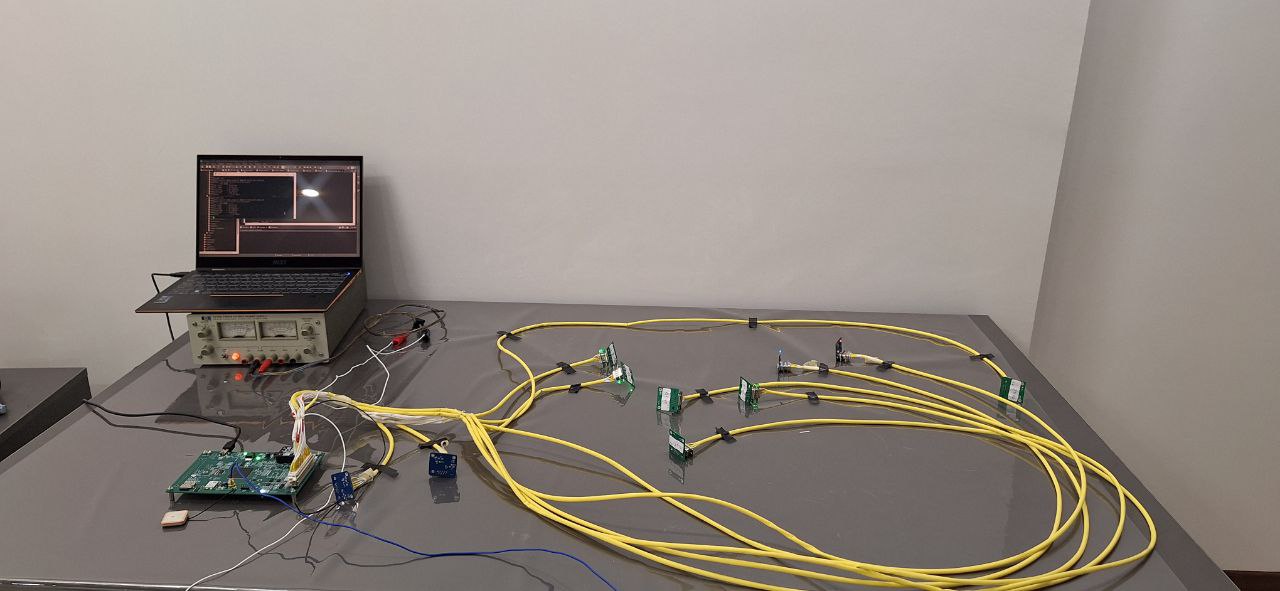
STM32 Datalogger
Embedded

STM32H743 FreeRTOS Datalogger

Paid contract project. 6-task priority-scheduled RTOS firmware on STM32H743 (480 MHz). 100 Hz IMU via PCA9548A mux, 5 Hz GPS, 70-byte binary packets, raw SD sector writes with triple-redundant write pointers, RS232 telemetry. Evolved from V1→V5 after real field failures.
STM32H743FreeRTOSCPCA9548ASD / Raw I/O
Semiconductor WebApp
Embedded

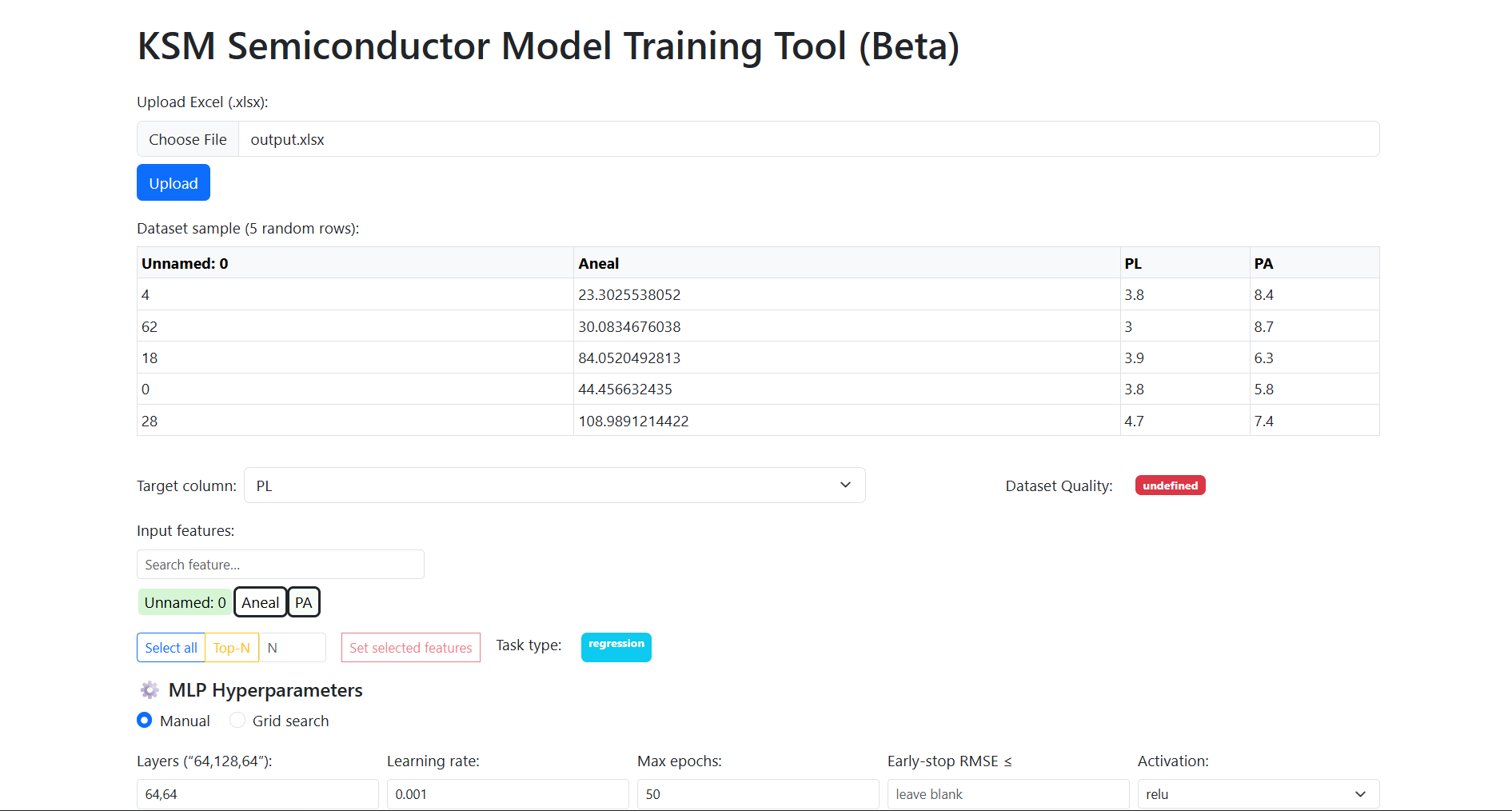
Semiconductor Process Modeling WebApp

Browser-based tool for proton-exchange (LiNbO₃) and thermal oxidation (Si) process modeling. HTML/JS frontend + Python (Flask) backend. Accepts Excel batch input or pyserial live sensor feed; real-time Deal-Grove and diffusion model plots.
PythonFlaskJavaScriptSciPyProcess Modeling
Wireless Identity
Embedded

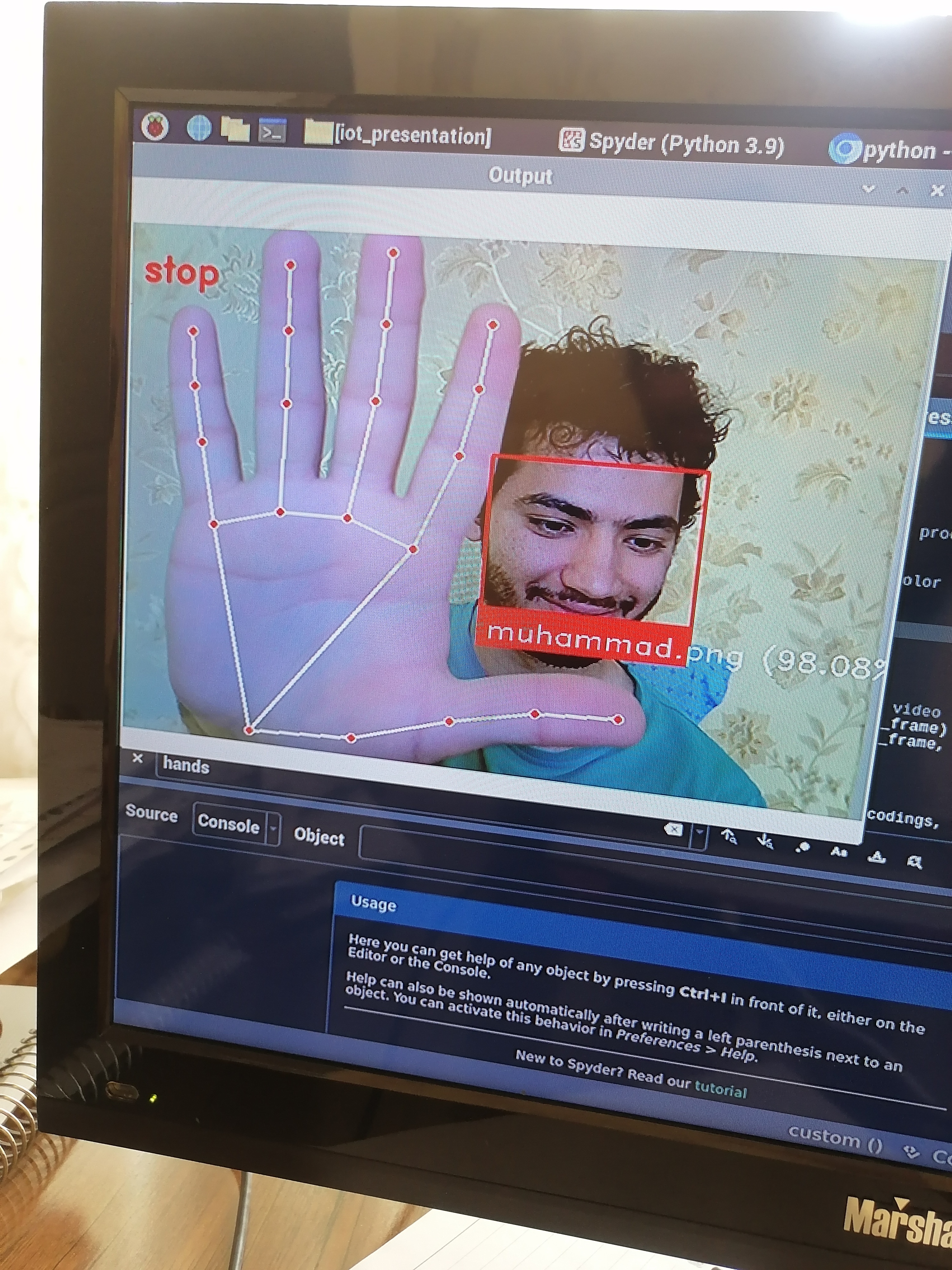
Wireless Identity Recognition System

Dual-threaded Python client: face recognition (face_recognition library, 128-D encoding) + 9-class gesture recognition (MediaPipe Hands, 21-landmark). TCP → ESP32 server over Wi-Fi. ESP32 dispatches GPIO/relay/UART actions based on received identity + gesture.

ESP32PythonMediaPipeTCP/Wi-FiC